
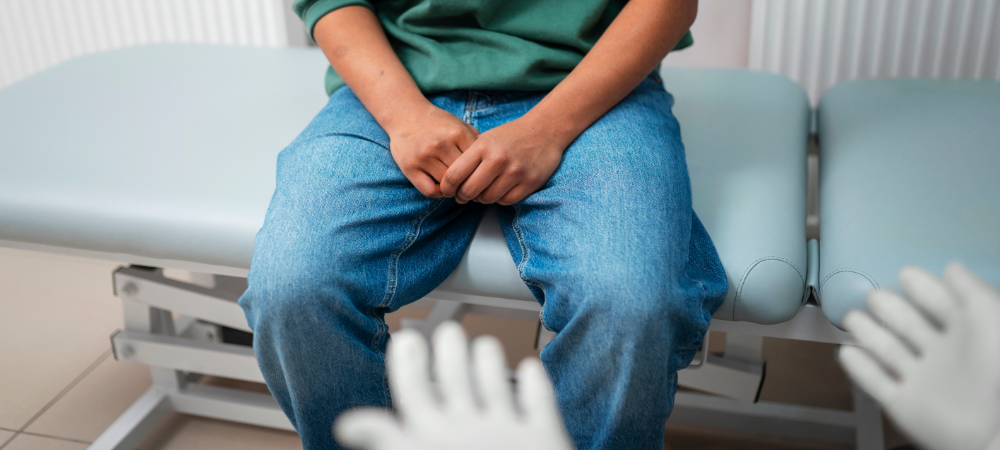
If you have noticed symptoms such as bleeding after a bowel movement or discomfort when sitting, it might indicate haemorrhoids. At Surgical Focus, we approach your health concerns with sensitivity and clarity. Whether you have recently noticed symptoms or have been quietly managing them for a while, consulting a GP in Lonehill gives you a starting point for understanding what is happening and how to manage it.
What are haemorrhoids?
Haemorrhoids are swollen blood vessels in the lower rectum or anus. They may form internally (inside the rectum) or externally (under the skin around the anus). While not life-threatening, they can be incredibly uncomfortable and, at times, painful.
You may have haemorrhoids if you are experiencing:
- Bleeding during or after bowel movements
- Itching or irritation around the anal area
- Swelling or lumps near the anus
- Pain or discomfort when sitting or going to the toilet
Haemorrhoids often result from straining during bowel movements, chronic constipation, pregnancy, or sitting for long periods. A consultation with a surgical GP in Lonehill helps confirm the cause and outlines practical next steps.
How are haemorrhoids diagnosed?
Diagnosis usually starts with a detailed history of your symptoms and a physical examination. Depending on your symptoms, Dr Lakshmanan may perform:
- A visual inspection of the external anal area
- A digital rectal exam
- Anoscopy or referral for a sigmoidoscopy in more complex cases
The goal is not just to confirm haemorrhoids, but to rule out other conditions that may present similarly, such as fissures, infections, or colorectal concerns.
What are the treatment options?
Treatment depends on the severity of your symptoms and whether the haemorrhoids are internal or external. As a surgical GP in Lonehill, Dr Lakshmanan can guide you through medical, non-surgical, and minor surgical options where appropriate.
Conservative treatments may include:
- Increasing fibre or water intake
- Over-the-counter creams or suppositories
- Warm sitz baths and anti-inflammatory measures
If symptoms persist or become severe, additional interventions may be recommended, such as:
- Rubber band ligation
- Infrared coagulation
- Minor surgical procedures
In most cases, haemorrhoid treatment can be managed in our practice without the need for hospital admission.
When should I see a doctor?
If you are experiencing the symptoms mentioned previously, a thorough evaluation from a GP in Lonehill who understands both medical and surgical pathways may be advised. Dr Lakshmanan offers confidential, supportive care that gives you both clarity and options.
Do not wait until your symptoms worsen. Early treatment makes all the difference. Book a consultation today.


