
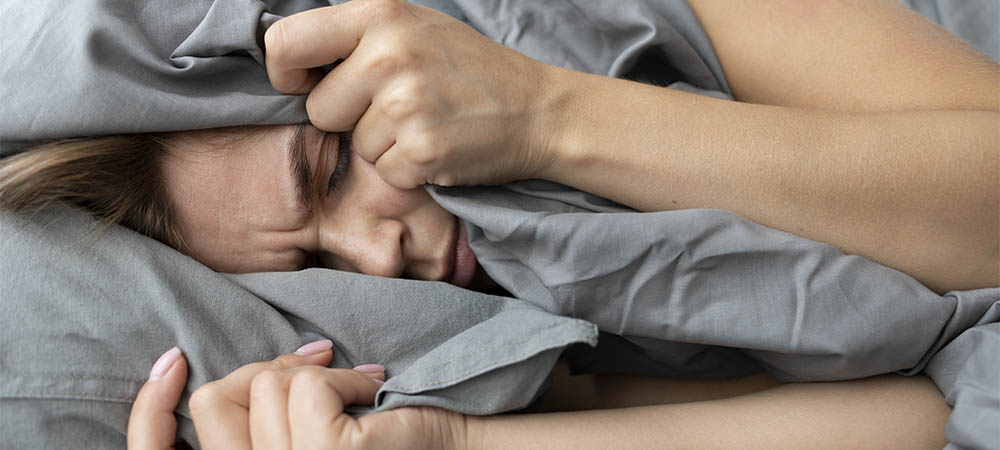
If you wake up exhausted, or you cannot fall asleep, or your body refuses to rest when it should or stays alert when it should not, then something deeper could be at play. Sleep disorders, or sleep-wake disorders, can disrupt your daily life in ways that build slowly, and then suddenly feel overwhelming.
At Surgical Focus, sleep issues are taken seriously. Dr Aarti Lakshmanan, a GP in Lonehill, has postgraduate training in neurological sleep-wake disorders. That means your concerns are examined through both a medical and neurophysiological lens, so your path forward is not just symptom-based but rooted in understanding how your body and brain handle rest.
What is a sleep-wake disorder?
A sleep-wake disorder is not just about poor sleep. It refers to disruptions in the body’s natural sleep rhythm or ability to enter and maintain quality sleep. These disorders can be linked to lifestyle, neurological conditions, stress, medication, or underlying illness.
You may be dealing with a sleep-wake disorder if you:
- Struggle to fall asleep or stay asleep
- Feel constantly tired despite a full night in bed
Some of the common conditions include:
- Insomnia
- Delayed sleep phase syndrome
- Restless leg syndrome
- Narcolepsy
What causes sleep to go wrong?
The body’s sleep-wake cycle is influenced by various factors, including light, hormones, stress, diet, medications, and even past illnesses or traumas. Changes to your circadian rhythm (your internal clock) can create long-term patterns that are hard to reverse without intervention.
As a GP in Lonehill with surgical and neurological insight, Dr Lakshmanan evaluates sleep problems alongside physical and medical conditions that may contribute, such as:
- Chronic pain
- Hormonal shifts
- Post-operative recovery
- Neurological factors
- Medication side effects
This broad clinical view enables a more structured and precise approach, particularly when symptoms overlap with fatigue, mood changes, or physical discomfort.
How are sleep disorders assessed and managed?
Treatment starts with understanding. You will begin with a consultation that includes a comprehensive sleep history, an assessment of your sleep patterns, the duration it takes to fall asleep, the frequency of nighttime awakenings, and your level of restfulness upon waking in the morning.
Assessment may include:
- Detailed sleep questionnaires
- A sleep diary
- Blood tests (if needed to rule out underlying issues)
In some cases, you may be referred for a formal sleep study, to a pulmonologist, or to a neurologist if there are structural concerns, such as airway obstruction or general surgery needs related to obesity or ENT complications, you may be referred to a GI surgeon.
Management may involve:
- Cognitive and behavioural adjustments
- Medication review
- Sleep hygiene strategies
- Follow-up assessment to track changes
Why speak to a surgical GP about sleep?
Not all sleep problems are isolated. Some link to broader health issues, post-operative changes, long-term pain, medication, or even anxiety tied to physical conditions.
A surgical GP in Lonehill brings a unique perspective. With experience in general surgery, neurological training, and a whole-body approach to health, Dr Lakshmanan can help you connect the dots between sleep and other systems in your life.
If your nights are restless and your days feel foggy, book a consultation with a GP in Lonehill trained in the treatment of sleep-wake disorders.


