Some issues are not emergencies, but they aren’t something to ignore. A skin lump that rubs against your clothing, or a growth you keep an eye out for but are not sure about. Having them assessed and, if necessary, removed through a safe, minor procedure can make all the difference to your comfort and peace of mind.
What are minor surgical procedures, and why might you need one?
Minor surgical procedures are small surgeries performed in a clinic setting under local anaesthesia. They do not require hospital admission, but they do require the skill and accuracy of a medical professional.
Many patients initially book a consultation because they are concerned about a lump, skin lesion, cyst, or recurring infection. The consultation provides an opportunity to understand the cause of the problem, discuss treatment options, and determine whether a minor procedure is necessary.
At Surgical Focus, we offer minor surgical procedures carried out by a qualified doctor, Dr Lakshmanan, who has trained extensively in general surgery. Allowing you to access both routine and slightly more complex procedures directly from your GP.
What Do You Treat?
If you have something on your skin or under it that causes discomfort, bleeding, infection, or concern, you may benefit from a surgical consultation. Following an assessment, a minor procedure may be recommended where appropriate.
We commonly assess and treat the following:
- Skin tags, moles, and warts
- Sebaceous or epidermoid cysts
- Lipomas (benign fatty lumps)
- Abscesses requiring incision and drainage
- Foreign bodies beneath the skin (e.g., splinters)
- Biopsies for diagnostic purposes
These are all minor surgeries that can typically be completed in an hour.


What happens during the appointment?
Your visit will begin with a comprehensive consultation and assessment. You will be asked about the issue: how long it has been present, how it feels, and whether it has changed in any way. We will then conduct a physical exam.
Following the assessment, Dr Lakshmanan will discuss the diagnosis, answer any questions you may have, and explain the available treatment options. If a minor procedure is appropriate and can be safely performed, it may be completed on the same day. Alternatively, a follow-up appointment may be arranged.
The steps usually include:
- Cleaning the area with an antiseptic
- Applying a local anaesthetic to numb the site
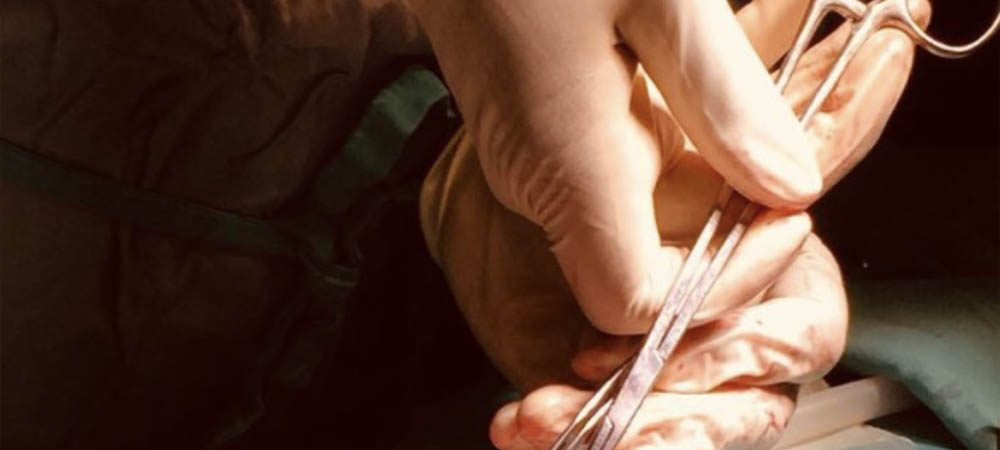
- Performing the procedure using sterile instruments
- Dressing the wound
- Providing instructions for home care and healing
You will be able to go home shortly after. Recovery is typically quick, although some procedures may require a follow-up visit for suture removal or a review of your healing progress.
What makes a minor procedure safe and effective?
Minor procedures are not minor in importance. While they are less invasive than hospital surgeries, they still require:
- A sterile environment
- A Careful technique and knowledge of anatomical structures
- An understanding of healing and infection risk
At our Lonehill GP practice, these procedures are performed in a clean, designated space with proper equipment. Healing times vary, but most patients resume normal activities the same day or within a few days.
Is a referral required to access these procedures?
No. You do not need a referral to book a consultation for a minor surgical procedure. As a GP in Lonehill with a surgical scope, Dr Aarti Lakshmanan is trained to assess and manage a wide range of conditions. This reduces delays and allows you to receive appropriate care quickly.
What are the risks, and what should I watch out for after the procedure?
All minor surgeries carry a small risk. Before your procedure, the risks will be clearly explained to you. After your procedure, you will receive guidance on how to care for the area. If any signs of infection appear, such as redness, swelling, or discharge, you should contact the clinic as soon as possible.
How do you prepare for a minor procedure?
Preparation is simple, but important:
- Eat and drink as normal unless advised otherwise
- Take your regular medication unless instructed to pause
- Wear loose-fitting clothing if the procedure site is covered
- Please inform the clinic if you have allergies, especially to anaesthetics or antiseptics
Book a consultation with a surgical GP in Lonehill who offers clarity, skill, and straightforward care for minor procedures.


